Strategic Zinc Ore Output Increase — The 3 Rocks
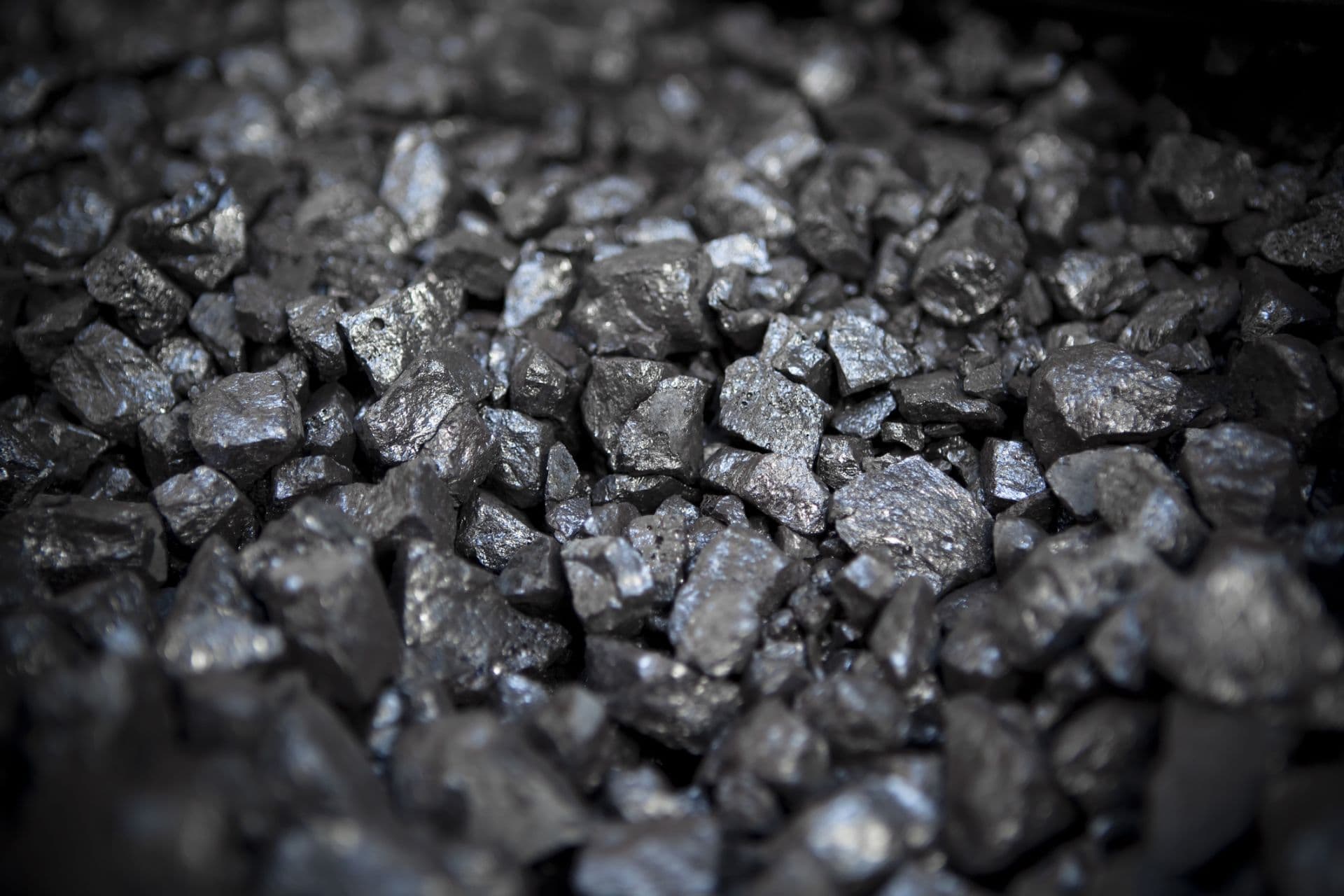
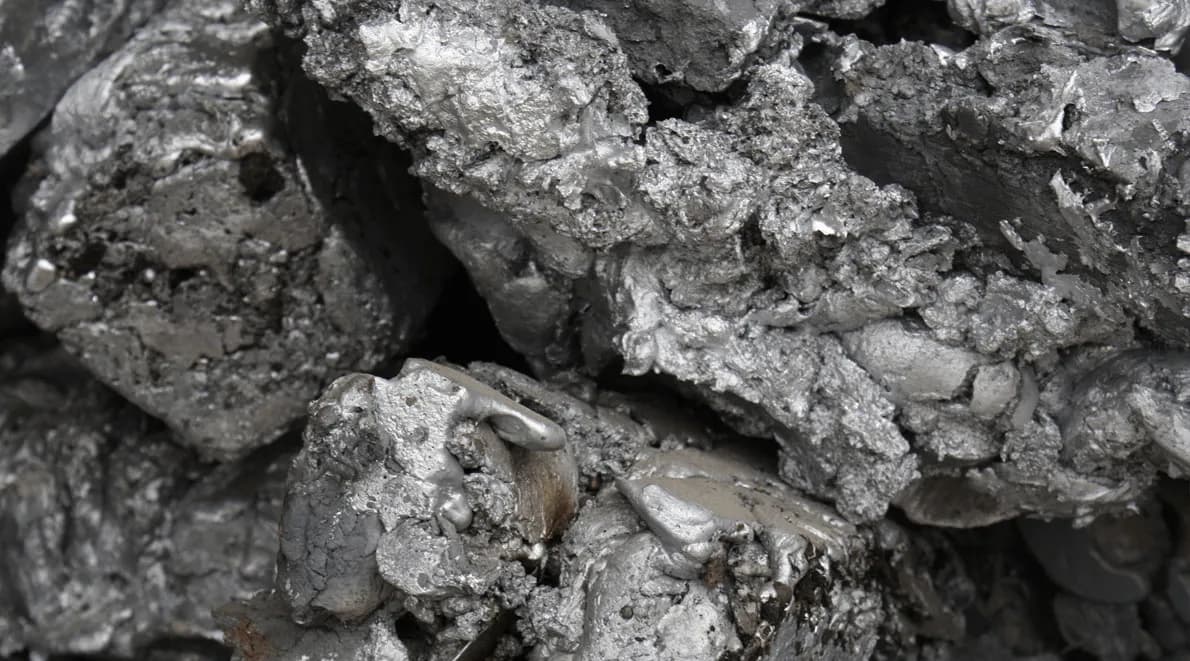
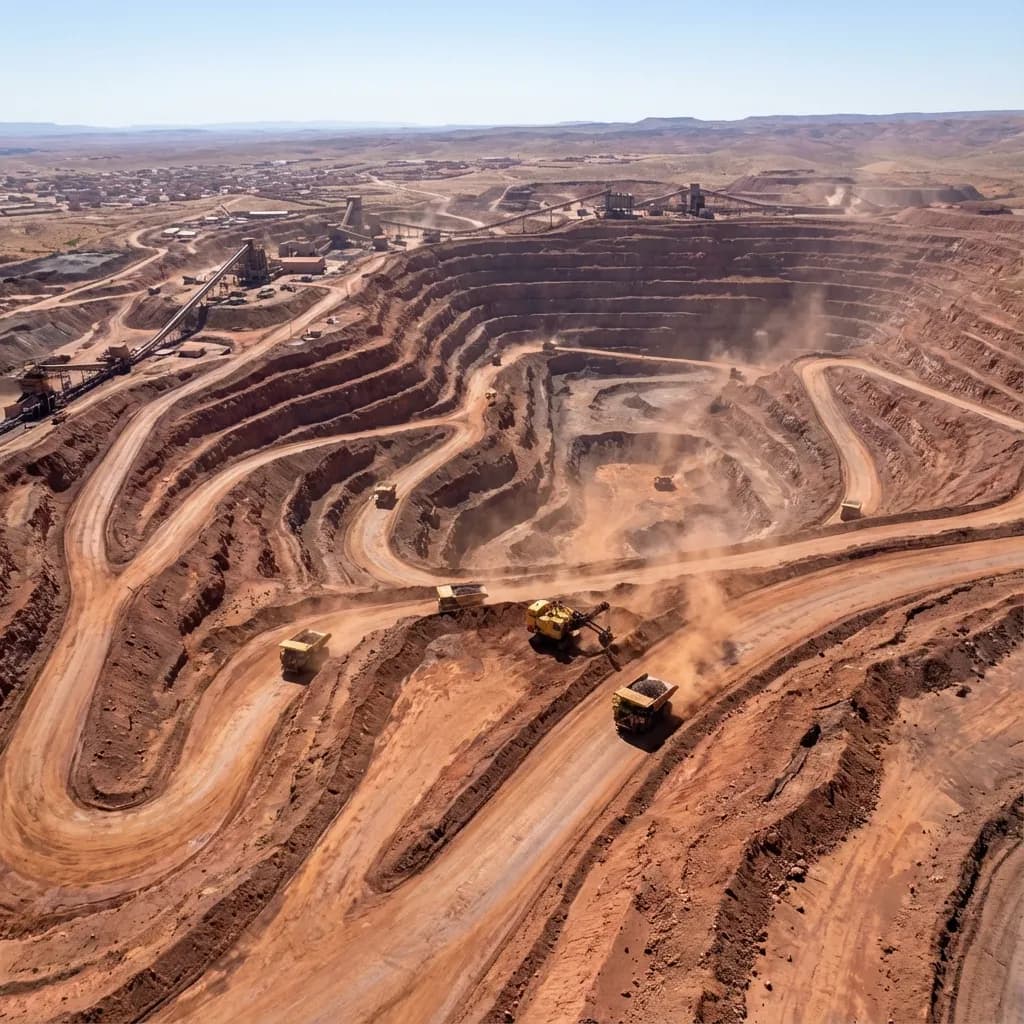
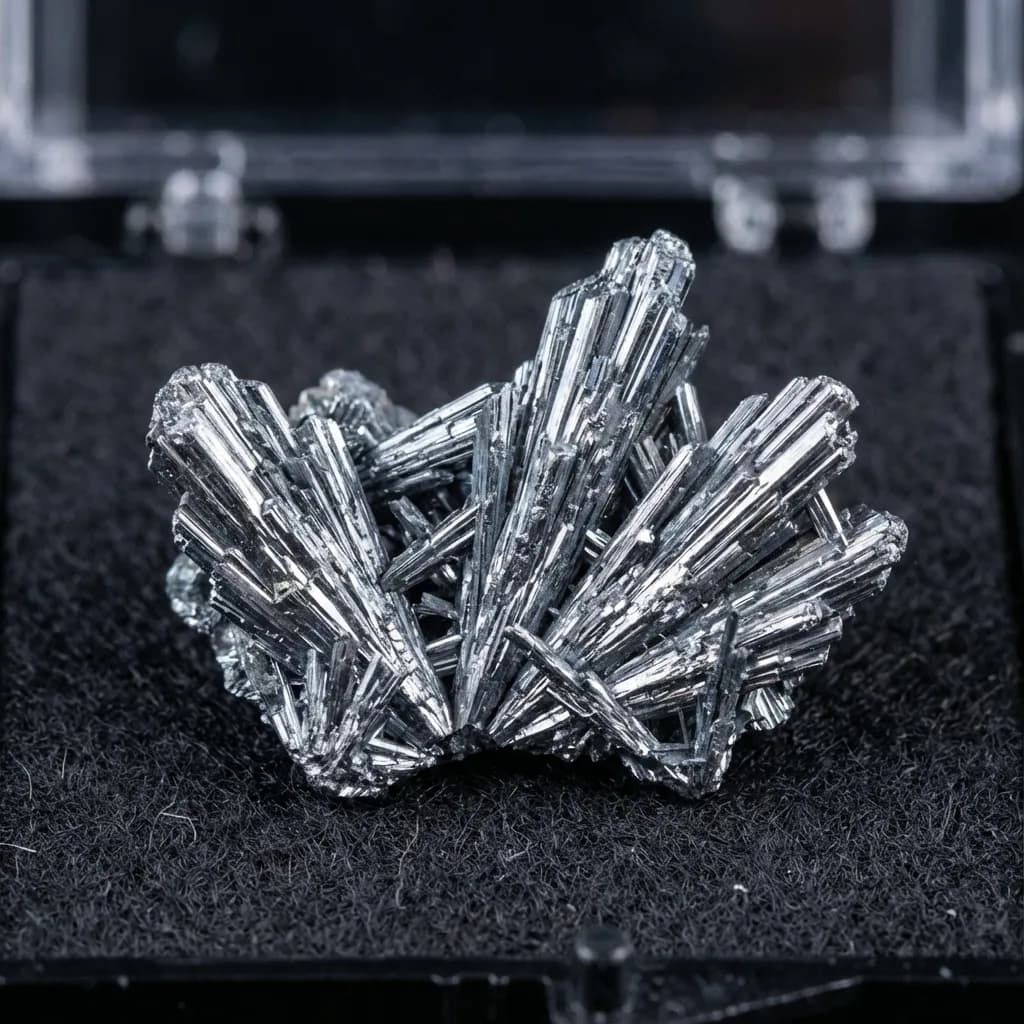
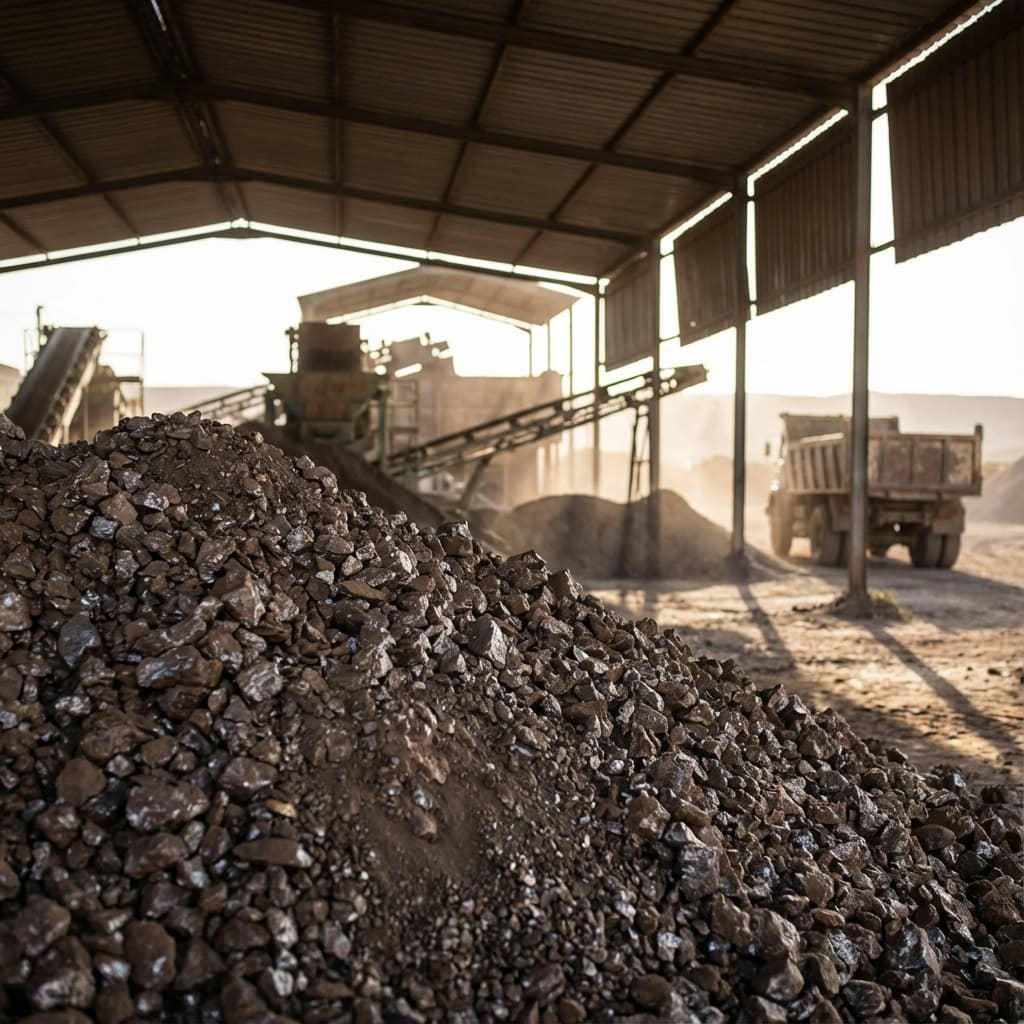
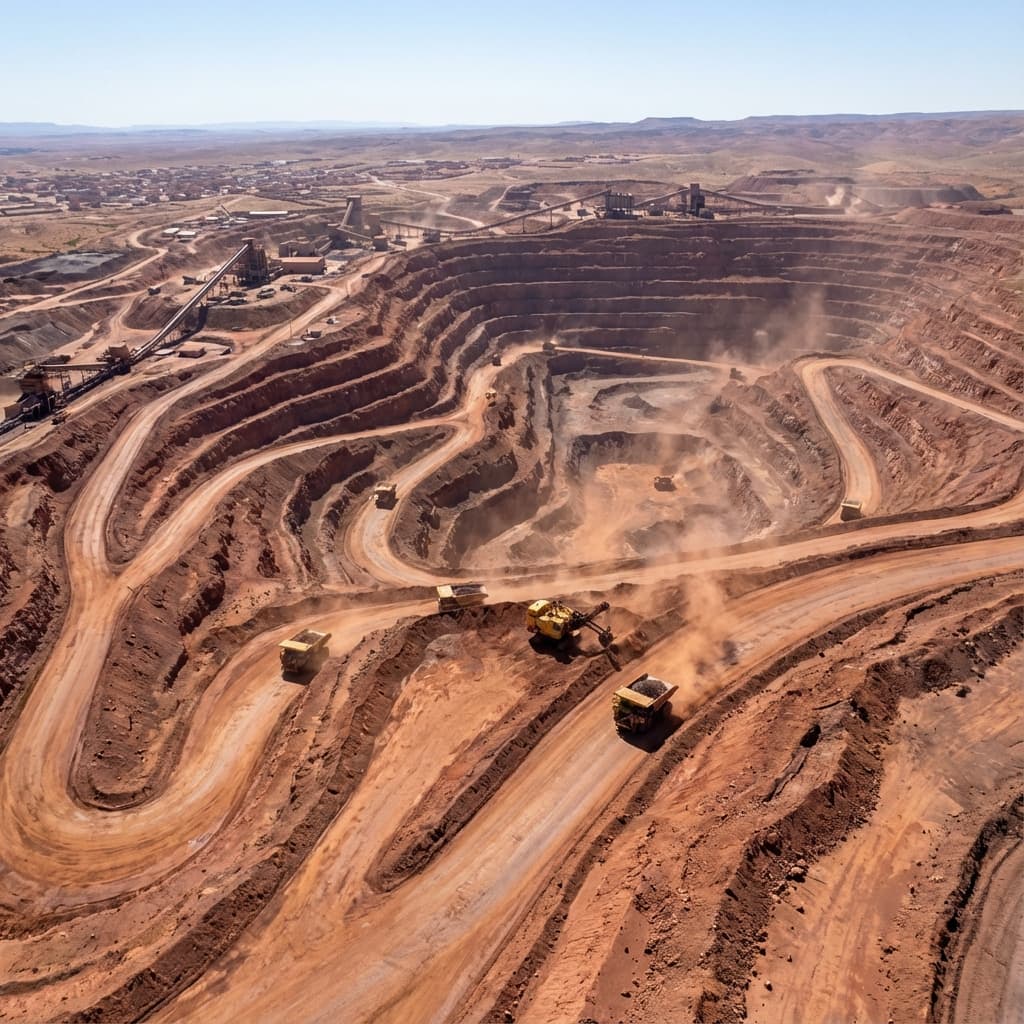
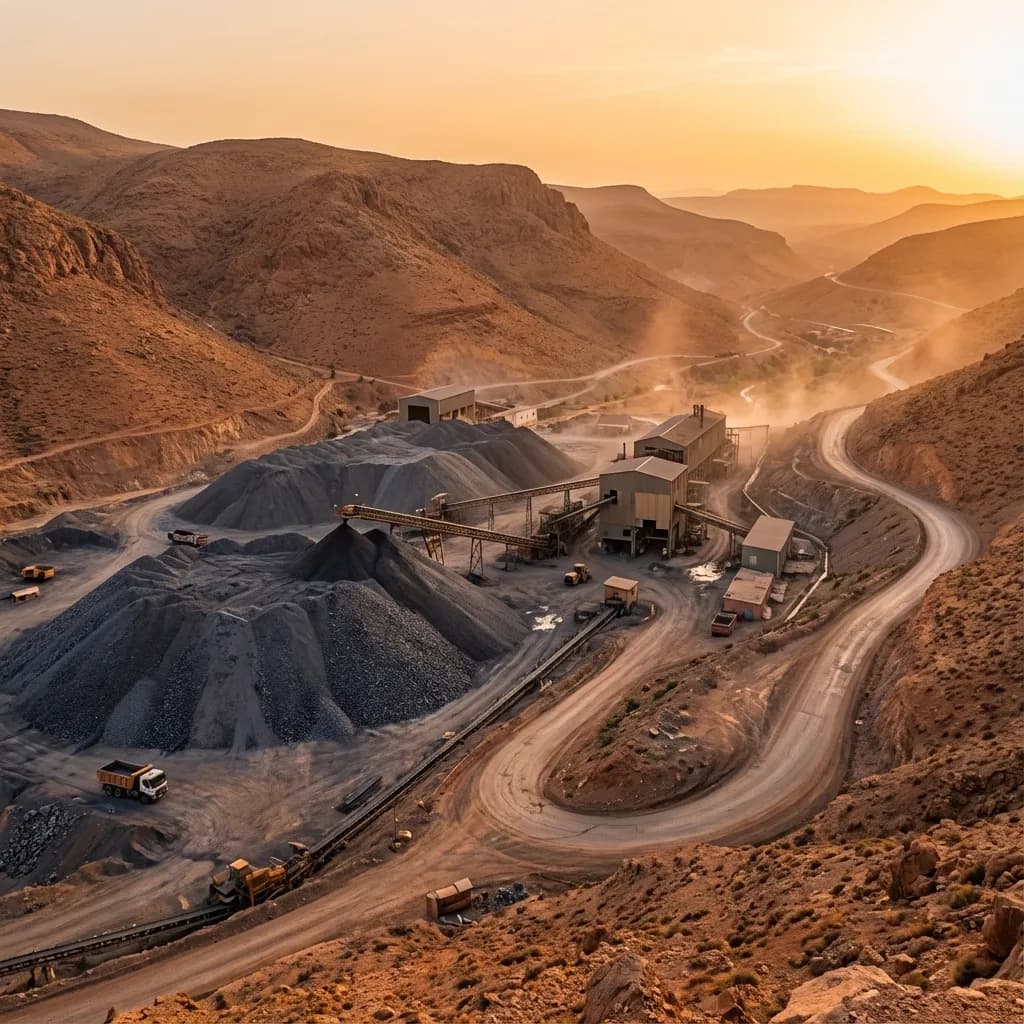
The 3 Rocks achieves significant growth in zinc ore output, as reported by Asia Metal. Discover how this milestone strengthens our position as a reliable global supplier.
The 3 Rocks publishes in-depth articles on every facet of Morocco’s mining sector — from geological formation in the Anti-Atlas and High Atlas ranges, through extraction, beneficiation, and quality control, to export logistics through the ports of Casablanca, Tangier Med, and Jorf Lasfar. Our editorial team includes geologists who have mapped deposits across the Atlas Mountains, mining engineers with hands-on experience in Moroccan beneficiation plants, and supply chain specialists who manage shipments to over twenty countries.
The Moroccan mining industry sits among the most geologically diverse in the world. The country holds more than seventy percent of global phosphate reserves, substantial deposits of lead and zinc across the Atlas Mountain belts, growing production of copper in the Tinghir region, world-class barite in Midelt and Ouarzazate, high-purity iron ore in the Nador and Oujda districts, battery-grade cobalt from the historic Bou Azzer mining district, and an emerging antimony industry centred on the Khenifra region. Each of these commodities is examined in detail in the articles below, with references to USGS mineral commodity summaries, academic publications in the Journal of African Earth Sciences, and data from Morocco’s Ministry of Energy Transition and Sustainable Development.
For industrial buyers, the library is designed to answer the questions that matter most when sourcing Moroccan raw materials: which deposit does this ore come from, what is the typical purity range, what is the standard certificate of analysis format, what are the main industrial applications, what incoterms are available from Moroccan ports, and how is the export documentation package assembled. For researchers, journalists, and students, the articles provide an accessible entry point to Morocco’s mining geography, its regulatory framework, and its role in the global supply chains for lead-acid batteries, lithium-ion batteries, drilling fluids, paints and coatings, ceramics, glass, flame retardants, radiation shielding, and renewable energy hardware.
New articles are published every month. Recent additions cover strategic shifts in global zinc output, the role of Moroccan minerals in the energy transition, the geology of the Atlas Mountains, flotation and beneficiation techniques, X-ray fluorescence and inductively coupled plasma analysis, mine remediation practices, supply chain transparency, and the regulatory framework that governs mining in Morocco. Use the category filter or the search bar below to browse by topic, mineral, or application.
The articles library currently spans 44 individual pieces organised across 6 thematic categories. Each category corresponds to a major mineral commodity, an industrial application area, or a cross-cutting topic such as sustainability, geology, or export logistics. Whether your interest lies in the geochemistry of a specific deposit, the processing route from ore to marketable concentrate, or the regulatory framework that governs mineral exports from Morocco, the library is designed to provide a single, authoritative reference point.
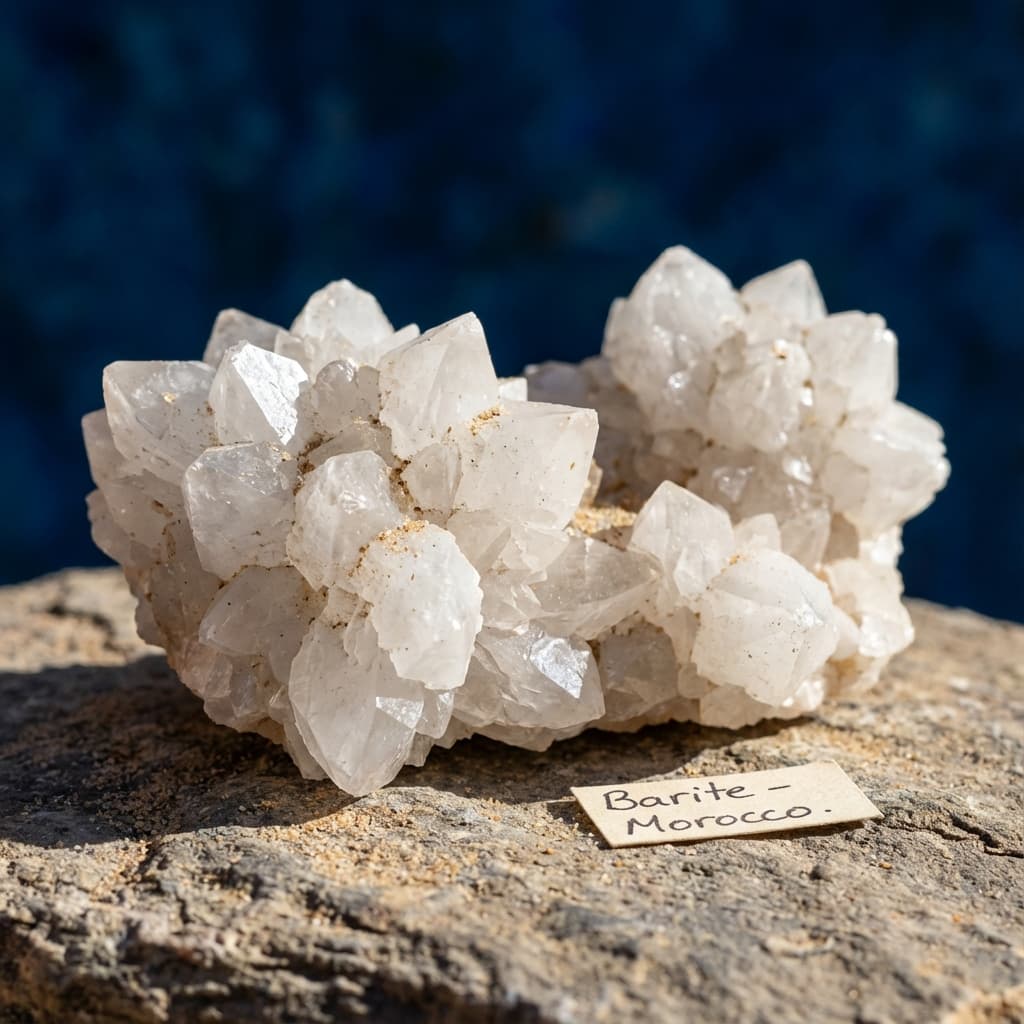
Mineral guides — covering lead, zinc calamine, copper, barite, iron ore, cobalt, and antimony — are the most accessed articles in the library. Each guide describes the geological setting of the relevant Moroccan deposit, the typical ore grade and mineral assemblage, the extraction and beneficiation methods employed, the commercial-grade specifications, the primary industrial applications, and the export packaging and logistics options available from The 3 Rocks. These guides are written for procurement managers, metallurgists, and quality-control engineers who need a concise yet technically accurate overview of the material they are sourcing.
Industry application articles — including pieces on aerospace and defence alloys, automotive industry metals, battery production materials, ceramics and glass production, construction and infrastructure, electronics and semiconductors, marine and shipbuilding, medical and pharmaceutical applications, paints and coatings, radiation shielding, renewable energy materials, textiles and flame retardants, and water treatment solutions — explore the intersection between a specific industrial sector and the Moroccan mineral supply chain. Each application article identifies which Moroccan mineral is relevant, what property or purity threshold makes it suitable for the application, and what qualification or certification buyers in that sector typically request.
Technical and cross-cutting articles — including guides on flotation and beneficiation, ICP testing, X-ray fluorescence analysis, mineral purity classification, mineral export procedures, environmental impact assessments, mine remediation practices, sustainable mining technologies, supply chain transparency, the future of Moroccan mining, and the geological formation of the Atlas Mountains — serve readers who want a deeper understanding of the methods, standards, and policies that shape the Moroccan mining industry. Many of these articles are cited by university researchers and by industry analysts preparing country-risk assessments for North African mineral supply.
Each article in the library includes a byline and publication date, a summary of the key points, and at least three authoritative references drawn from official sources such as the United States Geological Survey (USGS) Mineral Commodity Summaries, the Journal of African Earth Sciences, Morocco\u2019s Ministry of Energy Transition and Sustainable Development, the European Commission\u2019s Critical Raw Materials Act, and industry bodies such as the International Lead Association, the International Zinc Association, the Cobalt Institute, and the Antimony Association. Where relevant, articles also link to the corresponding product page on The 3 Rocks website for buyers who wish to request a quotation or a laboratory sample.
The library is updated every calendar quarter. Recent additions include articles on strategic zinc ore output increases and their impact on global supply, the application of Moroccan minerals in the aerospace supply chain, and the regulatory landscape for critical mineral exports from Morocco to the European Union under the EU Critical Raw Materials Act. Future planned topics include a deep-dive on Moroccan manganese resources, an overview of Morocco\u2019s rare-earth element potential, and a technical primer on the use of Moroccan barite in high-density concrete for nuclear shielding applications. Readers are encouraged to use the search bar and category filters below to browse the full collection or to navigate directly to a specific article by title.
Explore our comprehensive library of articles covering Morocco's rich mining industry — from mineral properties and extraction methods to market trends, quality standards, and sustainable practices. Each guide is written by our team of geologists, mining engineers, and industry specialists.
Whether you're sourcing raw materials, researching Moroccan mineral deposits, or staying informed on global metal markets, our resources provide the technical depth and practical insights you need.
Each article is researched and reviewed by our in-house team of geologists and mining engineers, drawing on firsthand experience across Morocco's mining regions. New content is published regularly as market conditions, extraction techniques, and industry standards evolve.
Use the category filters below to browse specific topics — from material guides and mining operations to sustainability and market analysis. You can also search by keyword to find articles relevant to your sourcing or research needs.
Our editorial team includes geologists with field experience across Morocco's Atlas Mountains, mining engineers who have worked in extraction and beneficiation facilities, and supply chain experts who manage mineral exports to markets in Europe, Asia, and the Americas. Every article cites authoritative sources including USGS mineral commodity summaries, academic research from the Journal of African Earth Sciences, and data from Morocco's Ministry of Energy Transition and Sustainable Development. We update our content quarterly to reflect changes in mining regulations, market prices, and extraction technologies.

The 3 Rocks achieves significant growth in zinc ore output, as reported by Asia Metal. Discover how this milestone strengthens our position as a reliable global supplier.

Lead material is one of those substances most people have heard about, but few truly understand. Some see it as dangerous. Others see it as essential. The truth sits somewhere in between. Lead is powerful, useful, and reliable when handled correctly, yet harmful when ignored or misused.

Zinc material is essential to modern life. From protecting steel to powering batteries, explore its uses, properties, and the growing market opportunities in Morocco.

From electrical grids to renewable energy, copper is indispensable. Explore its properties, uses, and the growing copper market in Morocco.

Cobalt material is strategic. It’s not flashy like gold, but without it, modern technologies wouldn’t work. Explore uses, supply, and The 3 Rocks' role in Morocco.

Antimony material is a unique metalloid with critical industrial uses. Explore its role in flame retardants, batteries, and the emerging market in Morocco.

Barite is essential for oil drilling, paints, and medical imaging. Explore its properties, industrial value, and Morocco's growing role in global supply.

Morocco is emerging as a strategic hub for high-performance metals. Explore the role of titanium, cobalt, and nickel alloys in aerospace and defense.

Iron is the backbone of modern industry. Explore its properties, uses, and the growing opportunities for iron sourcing in Morocco.

Micronutrients are the unsung heroes of agriculture. Explore how Moroccan minerals like Zinc, Copper, and Iron are essential for soil health and crop yields.

Morocco's Khenifra region is a global hub for high-quality antimony. Explore the mining methods, industrial applications, and strategic importance of this metal.

Metals define the automotive industry. From steel chassis to lithium batteries, explore the essential role of Moroccan minerals in modern vehicle manufacturing.

Batteries reshape how we store energy. From lithium and cobalt to copper and nickel, explore the essential raw materials driving the energy storage revolution.

From optical clarity in glass to the durability of porcelain, high-purity minerals like silica, feldspar, and antimony are the secret to quality.

From limestone and cement to structural steel, Moroccan minerals form the foundation of sustainable infrastructure and modern cities.

From silicon wafers to gold connectors, explore the essential minerals powering the digital revolution and Morocco's emerging role in the supply chain.

Understand the rigorous scientific process of Environmental Impact Assessments (EIA) that ensures mining projects protect both nature and communities.

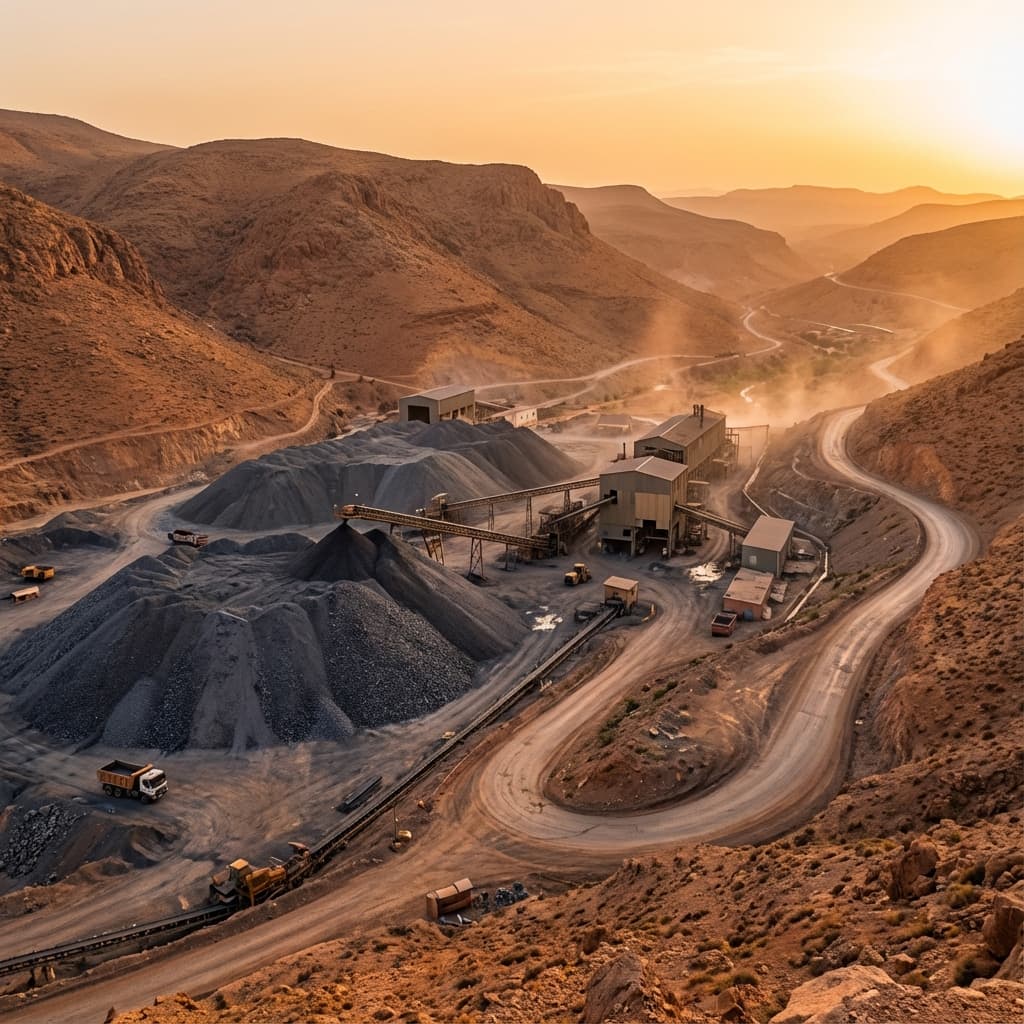
Understand the technology that turns rock into wealth. From gravity separation to froth flotation, discover how minerals are concentrated for global markets.

Vision 2030 transforms Morocco into a global mining hub. From smart mines to green energy, discover the strategy shaping the future.

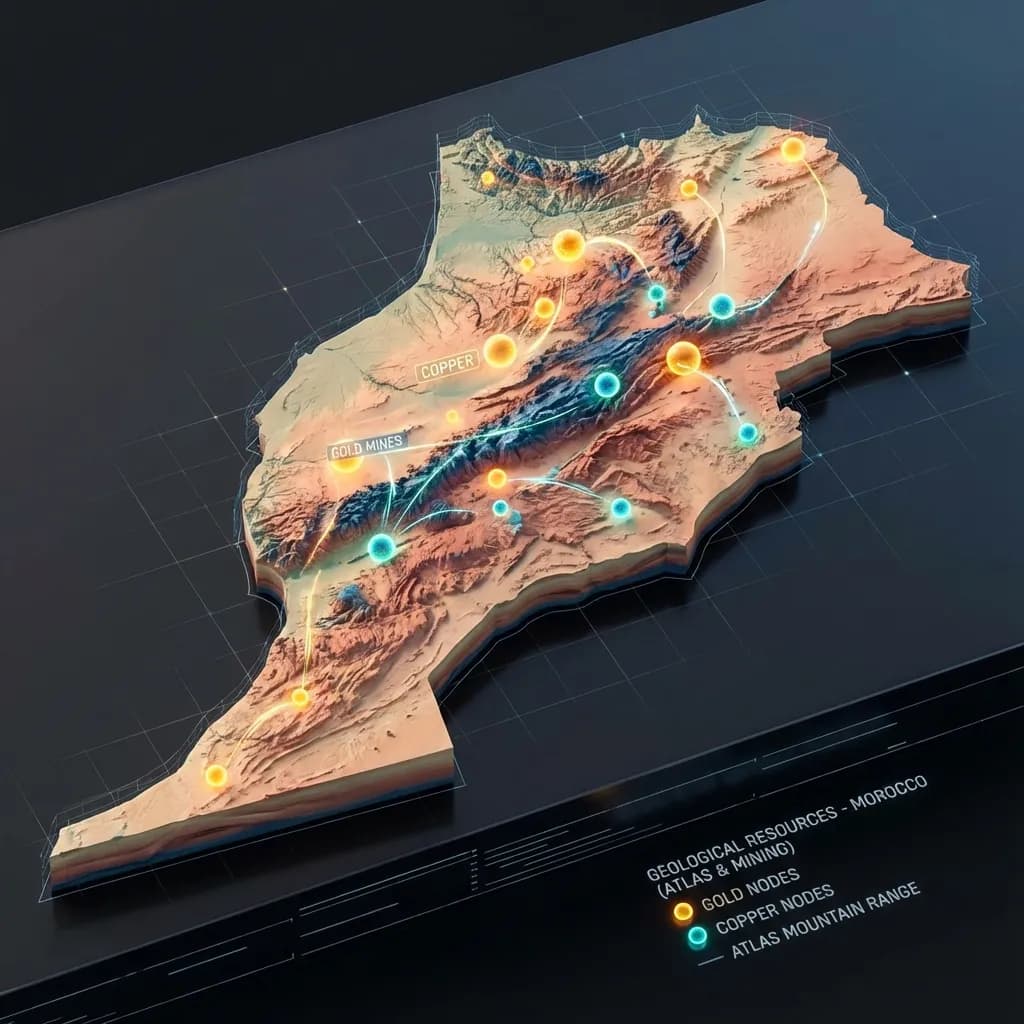
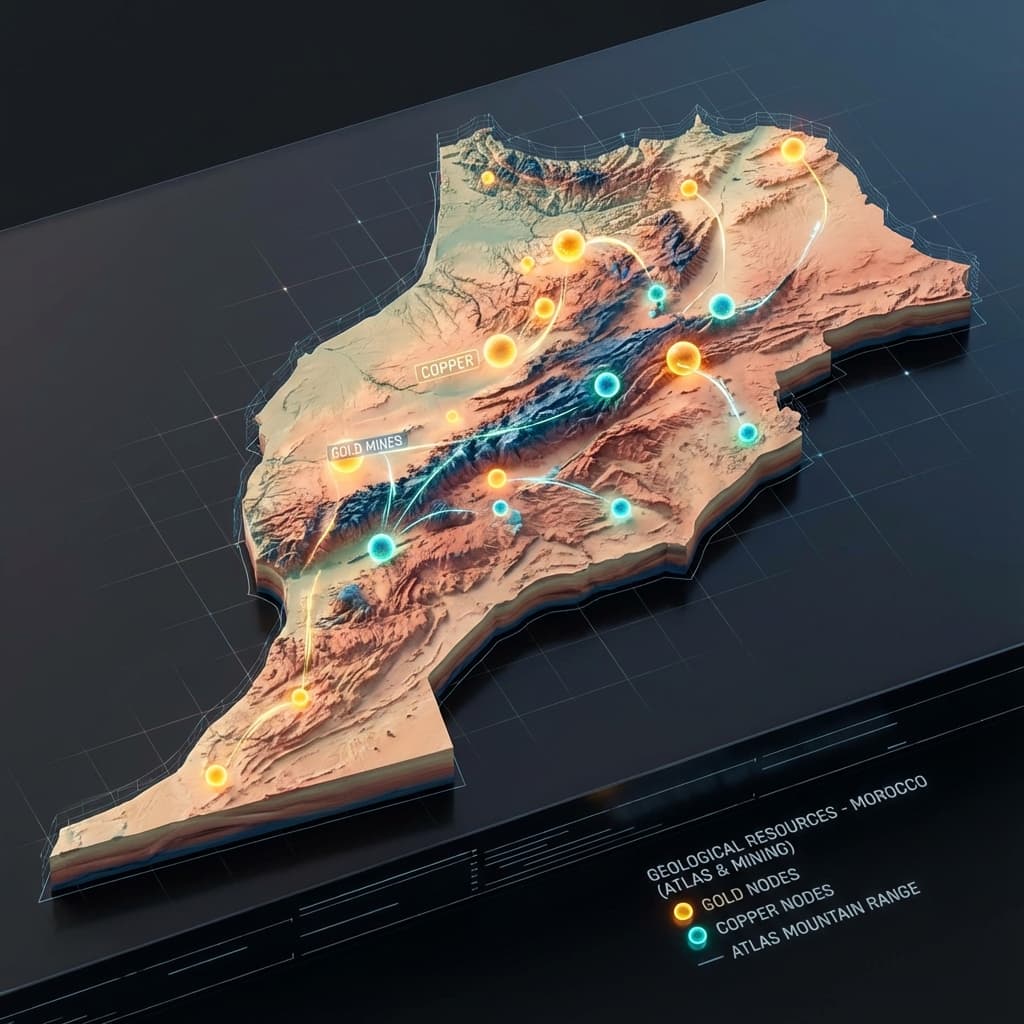
Explore the ancient tectonic forces that shaped the Atlas Mountains. From the Anti-Atlas copper belts to the High Atlas lead-zinc veins, discover a geological masterpiece.

Understand the forces shaping global metal markets, from the EV revolution to geopolitical shifts, and how Morocco is emerging as a critical strategic partner.

Essential guide to handling lead, mercury, and other heavy metals safely. From PPE to UN-certified transport, learn how to mitigate risks in the lab and on the road.

Discover the gold standard for trace element detection. From mining to environmental safety, learn how ICP testing delivers precision at the atomic level.

From corrosion-resistant alloys to anti-fouling coatings, discover the critical role of minerals in protecting maritime assets against the harsh ocean environment.

Minerals are the unsung heroes of healthcare. From calcium for strong bones to titanium implants and barite contrast agents, discover their vital role in medicine.

Healing the scars of mining. From soil stabilization to phytoremediation, learn how modern techniques are restoring ecosystems in Morocco and beyond.

Quality is the bedrock of trust. Explore the rigorous testing, from XRF to fire assay, that ensures Moroccan minerals meet global standards.

Exporting minerals from Morocco requires navigating complex logistics and regulations. Learn about licenses, customs, and shipping ports.

High-density Moroccan barite is essential for oil drilling and industry. Explore our API-grade resources available for global export.

Cobalt is the key to energy density. Learn how Moroccan resources are powering electric vehicles and aerospace innovation.

From the historic mines of Tinghir to the global energy grid. Explore how Moroccan copper powers modern civilization.

Morocco's iron ore, with its stable mining jurisdiction and consistent quality, is the backbone of infrastructure. Explore specifications and export logistics.

High-grade galena from Morocco supports the global battery and construction sectors. Discover the quality and sustainability of Moroccan lead.

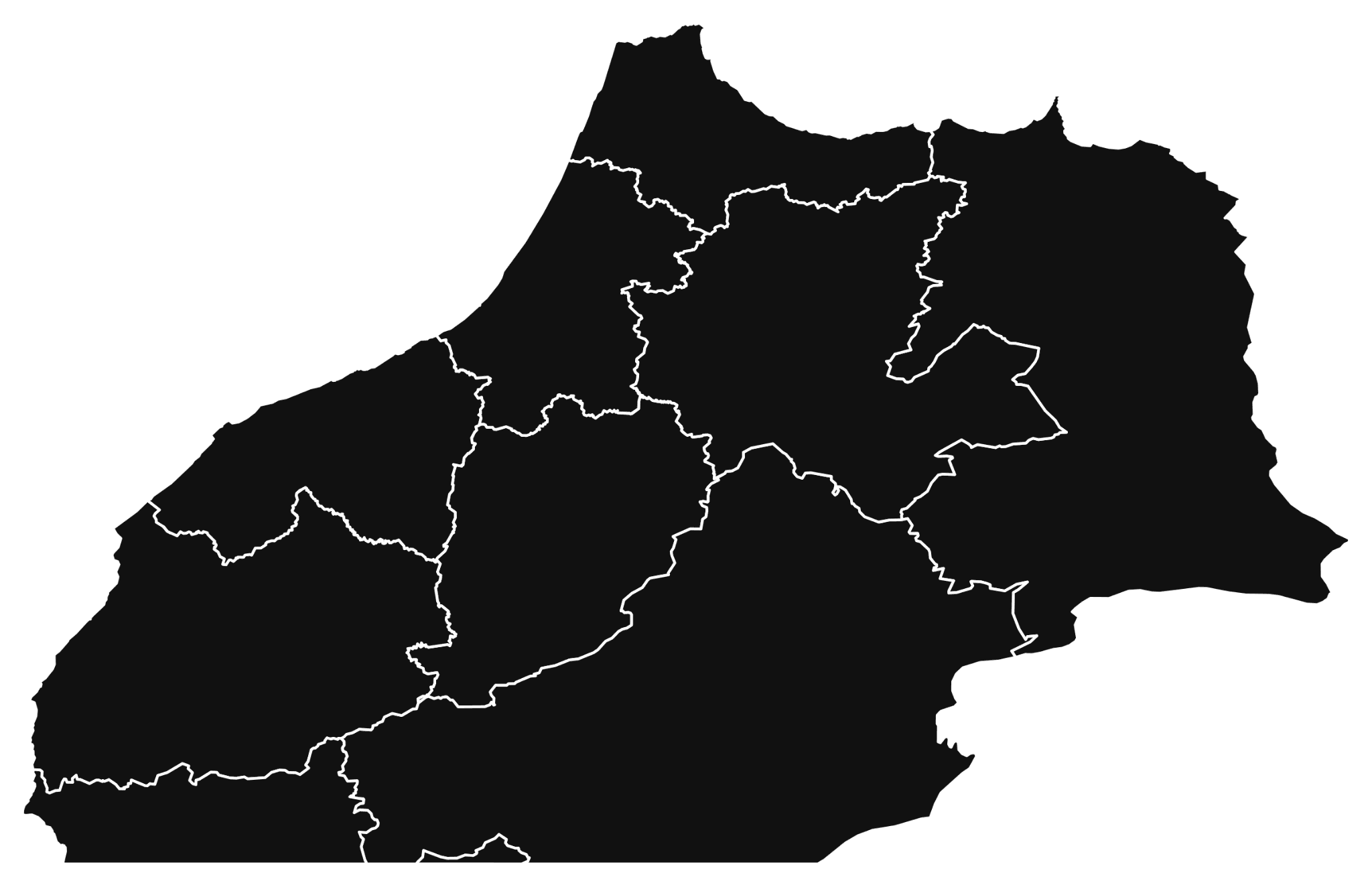
From the phosphate basins of Khouribga to the cobalt-rich Anti-Atlas. A complete guide to Morocco's strategic mining zones.

From pigments to fillers, minerals are the backbone of modern coatings. Explore how barite, iron oxides, and other Moroccan minerals enhance paint performance.

Radiation shielding means density. From lead bricks to barite concrete, learn which minerals protect lives in hospitals and nuclear facilities.

From copper wiring to lithium batteries, minerals are the foundation of the green transition. Explore how Morocco powers the renewable revolution.

Traceability is the new currency. Learn how digital logs, rigorous testing, and ethical sourcing standards ensure the integrity of minerals from mine to market.

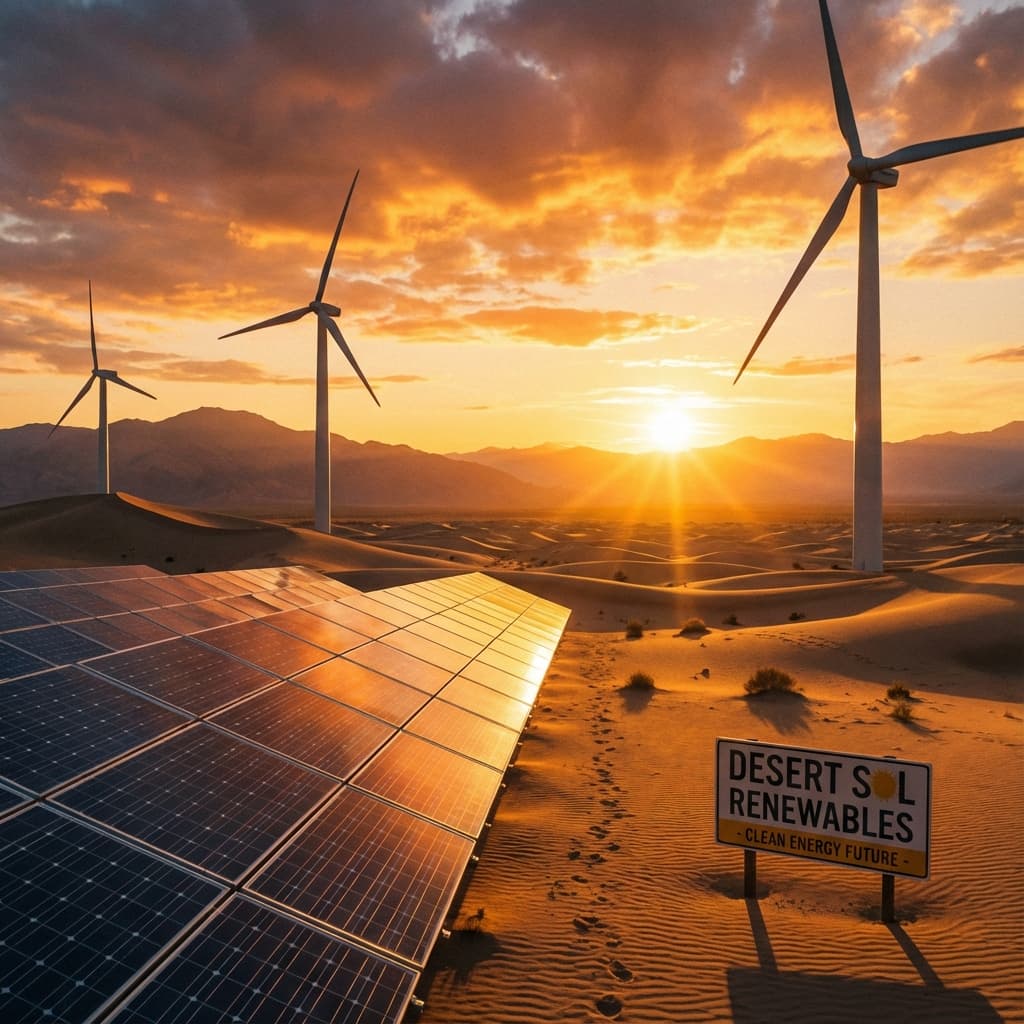
Mining smarter, not harder. Discover how water recycling, solar power, and digital tech are reshaping Morocco’s mining landscape.

When safety is non-negotiable, minerals step in. Learn how antimony, aluminum hydroxide, and boron protect textiles from fire.

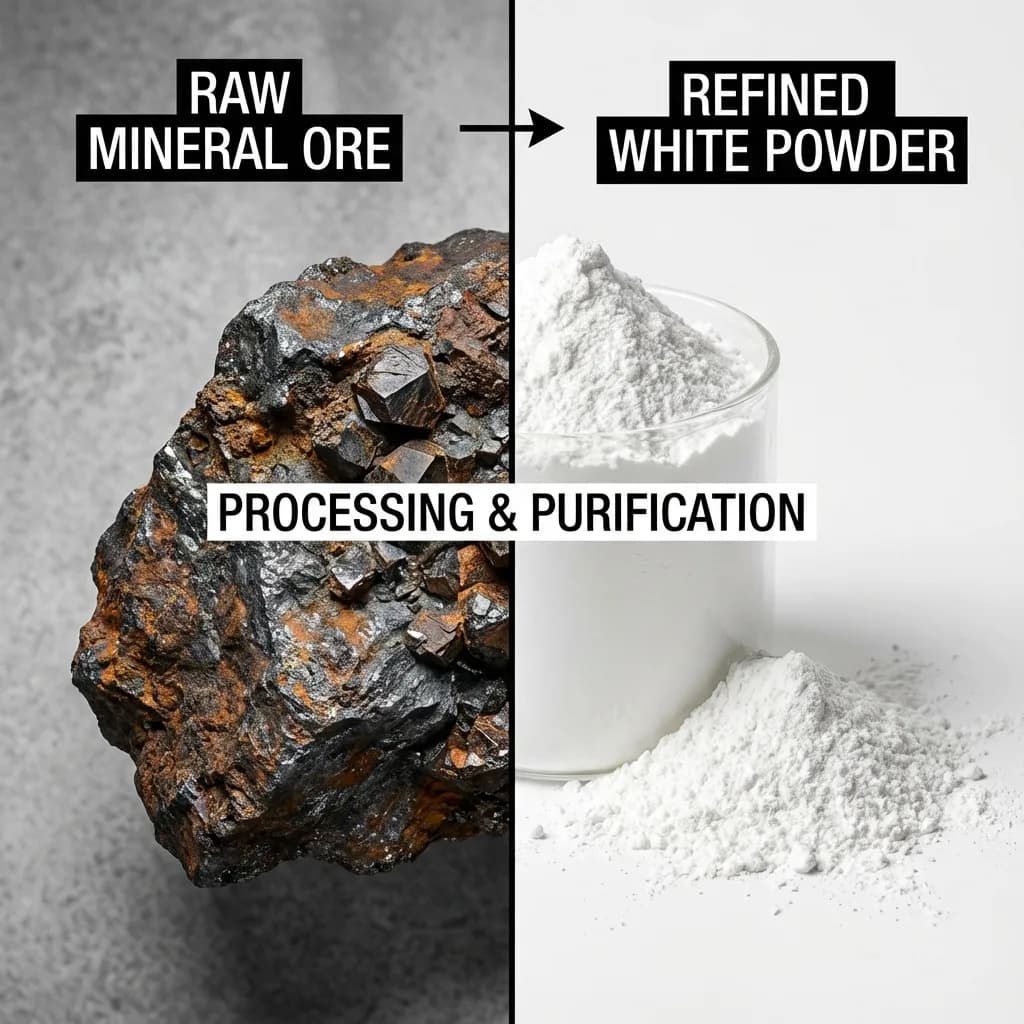
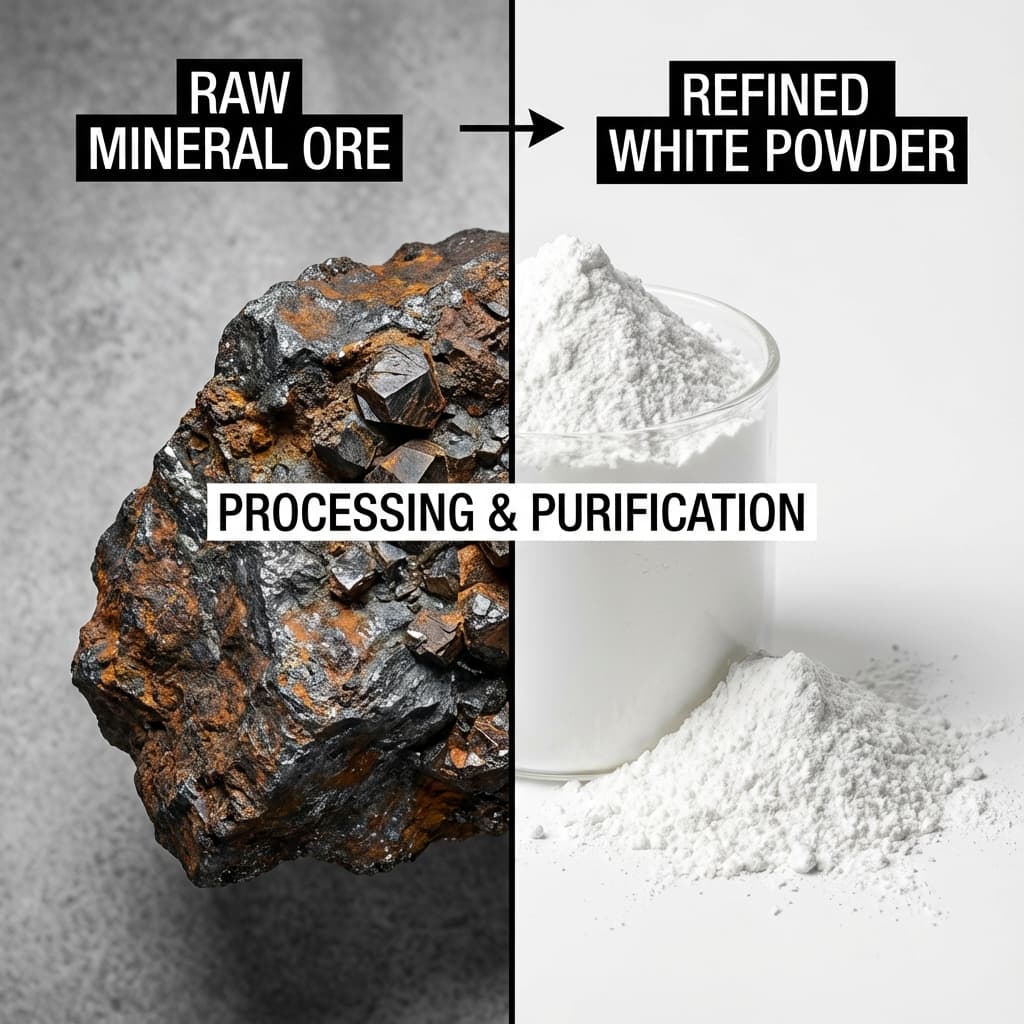
Not all minerals are created equal. Understand the vital differences between raw ore, enriched concentrate, and high-purity powder.

Clean water shouldn't cost the earth. Discover how natural minerals like zeolites and barite provide effective, eco-friendly water purification.

Rapid, accurate, and non-destructive. Learn how XRF technology provides instant elemental analysis for quality control and exploration.

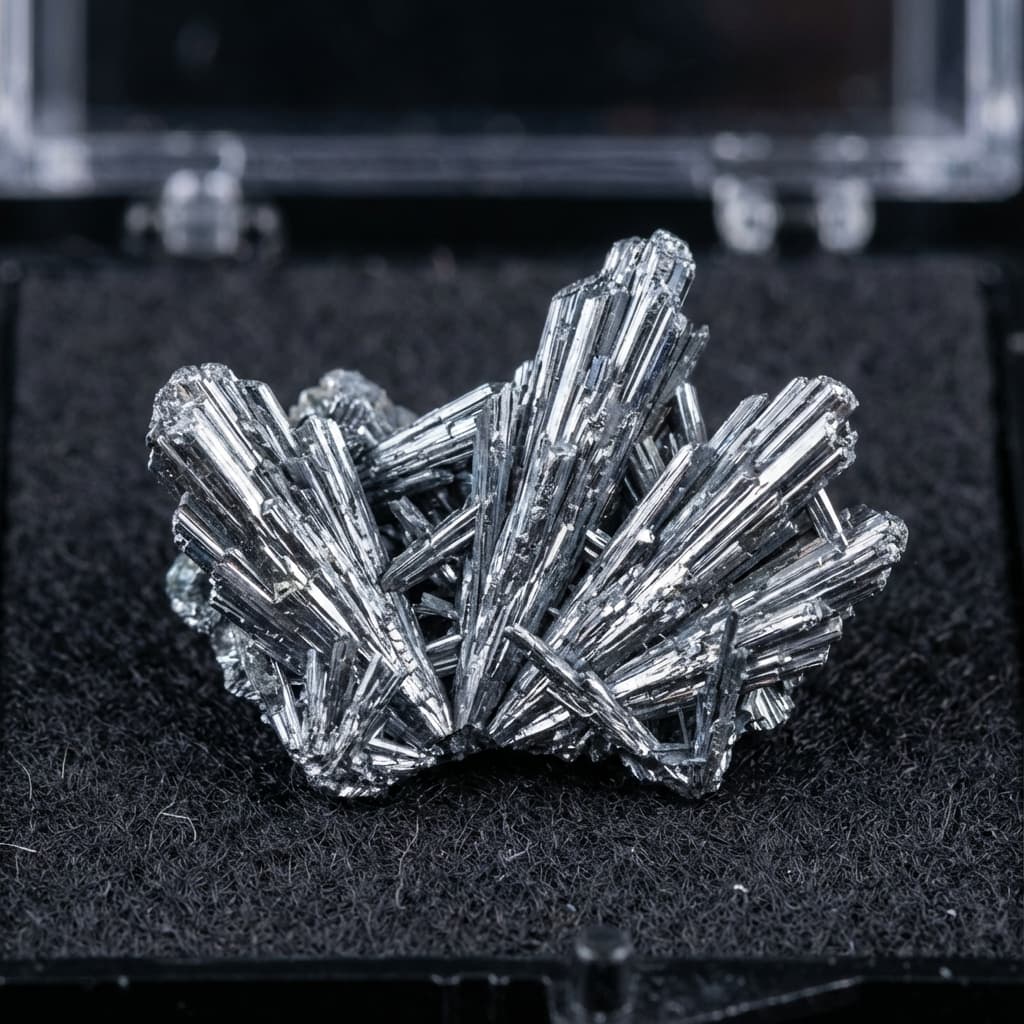
From the High Atlas to global markets. Learn about Morocco's calamine deposits, processing techniques, and the critical role of zinc in galvanization and batteries.
Every article published by The 3 Rocks is grouped into one of the categories below. Each link opens a search-engine-friendly list of every article in that category, with publication date, summary, and direct link to the full piece.
The 3 Rocks editorial team updates this library on a quarterly cadence to reflect changes in Moroccan mining regulations, USGS mineral commodity data, and shifts in global demand. Every article is reviewed by a member of our technical staff before publication and revisited annually to ensure the specifications, deposit names, and regulatory references remain current. If you spot an error or have a topic you would like us to cover — whether it is a new mining region, a new industrial application, or a deep-dive into a particular mineral grade — please reach out to our team in Rabat.
We also welcome guest contributions from geologists, mining engineers, metallurgists, and procurement specialists working in or sourcing from Morocco. Co-authored articles receive dual bylines, an expanded author bio, and prominent placement in the library for the first ninety days after publication. Contact our editorial team to propose a topic.