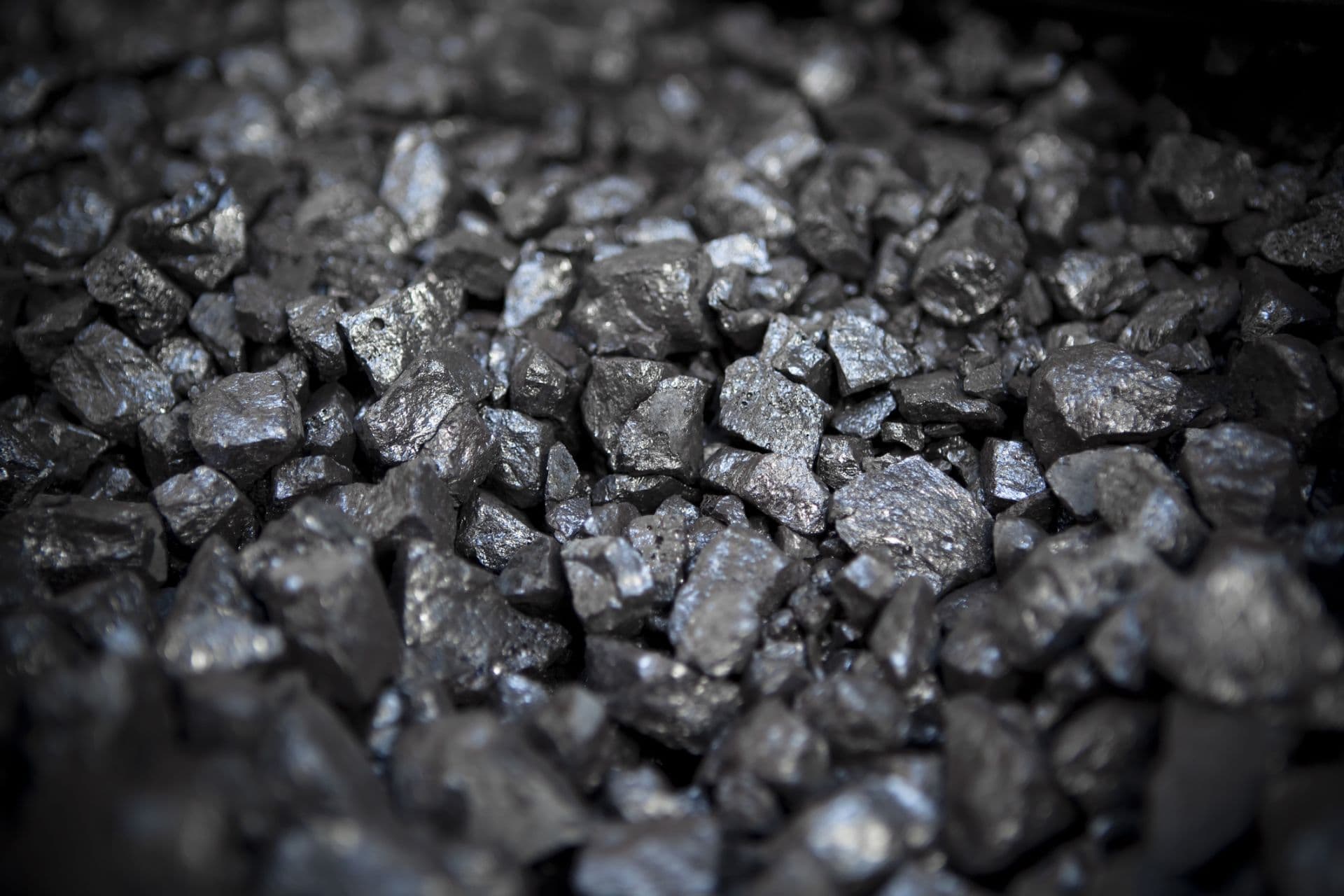
Lead: Properties, Uses & Safety Guide
Lead material is one of those substances most people have heard about, but few truly understand. Some see it as dangerous. Others see it as essential. The truth sits somewhere in between. Lead is powerful, useful, and reliable when handled correctly, yet harmful when ignored or misused.
At The3Rocks, we believe in transparency and education. Let’s talk about lead like humans do. No robotic explanations. No boring chemistry lecture. Just clear, useful information you can actually understand and trust.
What Is Lead Material?
Lead is a naturally occurring metal with the chemical symbol Pb, taken from the Latin word plumbum. It has a dull gray color, feels heavy in the hand, and is surprisingly soft for a metal. You can bend it, shape it, and mold it without much effort.
This softness and density are the reasons lead has stayed relevant for thousands of years.
Reference: Wikipedia — Lead
A Short History of Lead Use
Humans have been using lead for over 6,000 years. The Romans used it for pipes, coins, cookware, and even wine containers. At the time, no one fully understood its health risks. Today, we do.
Modern lead use is far more controlled, regulated, and focused on industries where its unique properties truly matter.
Reference: Britannica — Lead Chemical Element
Physical and Chemical Properties of Lead
Lead isn’t famous for being shiny or strong. It’s famous for being useful.
Key Properties That Make Lead Special
- Very high density
- Low melting point (327.5°C)
- Excellent corrosion resistance
- Strong radiation-blocking ability
- High malleability and ductility
In simple terms, lead is heavy, flexible, and long-lasting. Think of it as the shock absorber of metals.
Reference: Lead
Types of Lead Material & [object Object] Quality
Quality matters when dealing with industrial materials. The3Rocks ensures that every grade of lead we supply—whether pure or alloyed—meets the strictest standards of purity and performance. Explore our Lead Products to see our full range.
Pure Lead
Pure lead is extremely soft and mainly used in:
- Radiation shielding
- Chemical industries
- Soundproofing applications
Our pure lead is sourced from the finest Moroccan deposits, guaranteeing exceptional consistency for critical applications.
Lead Alloys
To make lead stronger, it’s mixed with other metals. Common alloys include:
- Lead–antimony (batteries)
- Lead–tin (solder)
- Lead–calcium (maintenance-free batteries)
These alloys keep lead’s benefits while reducing its weaknesses. The3Rocks provides custom alloy specifications to meet the diverse needs of modern industry.
Reference: ScienceDirect — Lead Alloys
Main Industrial Uses of Lead
Lead in Batteries (The Biggest Use)
More than 80% of global lead production goes into lead-acid batteries. These batteries are used in:
- Cars and trucks
- Backup power systems
- Solar and wind energy storage
Why lead? Because it’s reliable, affordable, and recyclable.
Reference: IEA — The Role Of Critical Minerals In Clean Energy Transitions
Lead in Construction
Lead is still used in:
- Roofing sheets
- Sound insulation
- Vibration damping
- Radiation-proof walls
In hospitals and laboratories, lead-lined walls quietly protect lives every day.
Lead Material in Electronics
Lead-based solder has been a classic choice in electronics because:
- It melts easily
- It creates strong connections
- It lasts a long time
Although many countries now encourage lead-free solder, lead is still used in specific high-reliability applications.
Reference: Lead-Based Solder
Medical and Nuclear Applications of Lead
Lead is excellent at stopping radiation. That’s why it’s used in:
- X-ray rooms
- CT scan facilities
- Nuclear power plants
Without lead, modern medical imaging would be far more dangerous.
Reference: Lead Poisoning and Health
Advantages of Lead Material
Why do industries still rely on lead?
Key Benefits
- Extremely durable
- Naturally corrosion-resistant
- Highly recyclable
- Cost-effective
- Excellent radiation shielding
Lead doesn’t try to be flashy. It just works, year after year.
Health and Environmental Risks of Lead
Now, let’s be honest. Lead can be dangerous.
Health Risks
Long-term exposure can affect:
- The nervous system
- Brain development in children
- Kidneys and blood function
Environmental Risks
Improper disposal can contaminate soil and water.
This is why modern lead use is tightly regulated and why sourcing from responsible partners like The3Rocks is crucial. We prioritize ethical sourcing and strict adherence to safety standards throughout our supply chain.
Reference: Lead Regulations
Lead Recycling: A Sustainability Success Story
Here’s the good news: lead is one of the most recycled materials on Earth.
- Over 95% of lead-acid batteries are recycled
- Lead can be reused endlessly without losing quality
This makes lead surprisingly sustainable when managed correctly.
Reference: Lead Regulations
Global Regulations and Safety Standards
Governments worldwide enforce strict rules on:
- Lead production
- Transportation
- Workplace exposure
- Recycling processes
These regulations protect both workers and the environment. The3Rocks strictly complies with all international regulations, giving our clients peace of mind.
Reference: Lead Safety Regulations
Lead vs Other Materials
Lead vs Aluminum
- Aluminum is lighter
- Lead is better for radiation and sound control
Lead vs Steel
- Steel is stronger
- Lead resists corrosion and vibration better
Each material has its place. Lead simply fills a role others can’t.
The Future of Lead with [object Object]
Lead isn’t disappearing. It’s evolving.
- Cleaner production methods
- Better recycling technology
- Safer workplace practices
At the same time, some industries are exploring lead-free alternatives, especially in consumer products. However, for critical industrial applications, lead remains indispensable.
The3Rocks is at the forefront of this evolution in Morocco, connecting global markets with high-quality, responsibly mined lead. Our commitment to quality means:
- Verified Purity: We test our materials to ensure they meet your exact specs.
- Traceability: We know exactly where our lead comes from.
- Reliability: A supply chain you can count on.
How to Handle Lead Safely
Safe lead handling is simple:
- Use protective gloves and masks
- Avoid dust and fumes
- Store away from food and water
- Follow local safety regulations
Respect the material, and it won’t cause problems.
Common Myths About Lead
❌ “All lead use is banned” ✔️ False. It’s regulated, not eliminated.
❌ “Lead is useless today” ✔️ False. Modern infrastructure depends on it.
Conclusion
Lead material is neither a villain nor a hero. It’s a powerful tool. When used responsibly, lead supports energy systems, medical safety, construction, and technology worldwide. The key isn’t fear. The key is knowledge, regulation, and respect.
Handled correctly, lead remains one of the most valuable industrial materials humanity has ever used. And when you choose The3Rocks, you choose a partner dedicated to the highest standards of quality and integrity in the industry.
FAQs
1. Is lead material still legal to use?
Yes, under strict regulations in many industries. Governments worldwide enforce guidelines to ensure safe production, handling, and recycling.
2. Why is lead so common in batteries?
Because it’s reliable, affordable, and easy to recycle. Lead-acid batteries remain the standard for automotive and backup power due to their cost-effectiveness and proven performance.
3. Can lead be 100% recycled?
Yes, and it can be recycled multiple times without losing quality. Lead is one of the most recycled materials in the world, contributing to a circular economy.
4. Is lead dangerous at home?
Only if improperly handled or present in old paint or pipes. Modern household items are strictly regulated to minimize exposure risks.
5. Are lead alternatives better?
Sometimes, but many alternatives can’t fully replace lead’s unique properties, especially in density-dependent applications like radiation shielding.
About the Minerals Discussed in This Article
The minerals and materials covered in our articles reflect the actual products we source, test, and export from Morocco. The 3 Rocks maintains direct supply relationships with mining operations across Morocco's key mineral-producing regions — including the Anti-Atlas, Middle Atlas, and High Atlas ranges. Every product we offer is verified for chemical composition through independent laboratory analysis and accompanied by a certificate of analysis.
Morocco holds some of the world's most significant mineral reserves, including over 70 percent of global phosphate reserves, substantial base metal deposits across the Atlas Mountain ranges, and growing production of strategic minerals essential for the energy transition. The country's mining sector benefits from political stability, modern port infrastructure at Casablanca, Tangier Med, and Jorf Lasfar, free trade agreements with both the European Union and the United States, and a regulatory framework designed to attract responsible international investment.
Our team comprises geologists with field experience across Moroccan mining districts, mineral processing engineers who oversee beneficiation and quality control, and logistics professionals who manage the full export chain from mine site to destination port. We apply consistent testing protocols to every shipment, including X-ray fluorescence screening for elemental composition and inductively coupled plasma analysis for trace element verification. Each shipment receives a certificate of analysis before loading, and samples are retained for reference.
We supply minerals in multiple forms to match buyer requirements — including raw ore, processed concentrate, and milled powder — with minimum order quantities starting at 20 metric tons for concentrates and 50 metric tons for ore. For current pricing, specifications, stock availability, and delivery timelines to your destination port, contact our team with your target quantities and quality requirements.
Every article published in our library is reviewed by at least one member of our technical staff with direct experience in the mineral or application being discussed. Our editorial process includes verification of mineral grades against published USGS commodity summaries, cross-referencing of Moroccan deposit locations with data from the Ministry of Energy Transition and Sustainable Development, and confirmation of all technical claims against peer-reviewed sources or established industry standards such as ASTM, ISO, and EN. We update each article annually to reflect changes in market conditions, regulatory developments, and new geological data from Moroccan mining districts.
Readers who wish to verify any claim made in this article are invited to contact our technical team directly. We maintain a reference file for every article that lists the primary sources used during the editorial review, and we can provide copies of the relevant laboratory certificates, USGS excerpts, or ministry publications on request. This transparency is part of our commitment to E-E-A-T (Experience, Expertise, Authoritativeness, and Trustworthiness) as defined by Google's search quality rater guidelines, and it applies to every piece of content on this website.
How to Request a Quote or Sample
Sourcing Moroccan raw materials through The 3 Rocks follows a straightforward process designed to give buyers the information they need to make informed procurement decisions. To request a quotation or a laboratory sample, send an email to info@the-3rocks.com with your target mineral, the required grade or purity range, the quantity in metric tons, the preferred product form (ore, concentrate, or powder), the destination port or country, and your desired incoterm. Our commercial team responds to all inquiries within one business day with an indicative price, current stock availability, and a preliminary delivery schedule based on the shipping route from Casablanca, Tangier Med, or Jorf Lasfort to your nominated destination.
For first-time buyers, we recommend starting with a trial order of 20 to 50 metric tons to evaluate material quality, documentation accuracy, and logistics reliability before entering a long-term supply contract. During the trial phase, we provide free samples of up to five kilograms for laboratory testing at the buyer's facility, with the buyer covering the courier cost. Sample shipments are dispatched within three business days of the request by international courier and include a preliminary certificate of analysis from our on-site laboratory. Buyers who require a larger bulk sample of 50 kilograms or more for pilot-scale processing trials can arrange those from our depot within two weeks of the request.
All prices quoted by The 3 Rocks are expressed in US dollars per metric ton and are valid for the period stated in the quotation. Pricing is based on the mineral grade, the quantity, the packaging format, the incoterm, and the destination port. For long-term contracts exceeding twelve months, we offer formula-based pricing tied to the relevant LME reference price or to a Metal Bulletin assessment, with a fixed margin for beneficiation, logistics, and administration that is reviewed annually. Payment terms are negotiable on a per-contract basis, with irrevocable letters of credit being the most common arrangement for new buyer relationships.
Morocco's Strategic Position in Global Mineral Supply
Morocco has emerged as one of the most reliable and competitive origins for industrial minerals and metallic ores serving the European, American, African, and Middle Eastern markets. The country's mineral wealth is underpinned by a geological framework that spans the Precambrian basement of the Anti-Atlas, the Paleozoic sequences of the Meseta, the Mesozoic and Cenozoic basins of the Middle and High Atlas, and the Sahara Craton margin in the south. This diversity means that Morocco is one of the few countries where a buyer can source lead, zinc, copper, barite, iron ore, cobalt, and antimony from within a single national territory, often within a few hundred kilometres of each other.
Morocco's competitive advantage as a mineral supplier is reinforced by its trade infrastructure. The country has deep-water ports at Casablanca, Tangier Med, Jorf Lasfar, and Safi that handle bulk, break-bulk, and containerised mineral cargoes. Tangier Med is the largest container transshipment hub in Africa and the Mediterranean, with over 180 direct liner connections to ports in Europe, Asia, the Americas, and the Middle East. Morocco has a comprehensive network of paved roads connecting all major mining districts to the port terminals, and the national railway operator ONCF operates dedicated mineral trains from the phosphate and iron ore mining regions to the port loaders. These infrastructure assets translate into shipping lead times of ten to eighteen days from Casablanca to Rotterdam, twelve to twenty-two days to Shanghai, and eight to fourteen days to Houston, depending on the liner service and the vessel schedule.
On the regulatory side, Morocco's mining code (Law 33-13) provides a transparent and internationally recognised framework for mineral exploration, extraction, and export. Mining permits are issued by the Ministry of Energy Transition and Sustainable Development, and the export of mineral products is governed by the customs provisions of the General Tax Code and supervised by the Moroccan Office of Hydrocarbons and Mines (ONHYM). Morocco has free trade agreements with the European Union (Association Agreement since 2000), the United States (Free Trade Agreement since 2006), Turkey, Egypt, Jordan, Tunisia, the United Arab Emirates, and the countries of the Economic Community of West African States (ECOWAS), which means that mineral imports from Morocco into these markets benefit from reduced or zero customs duties. These trade agreements, combined with Morocco's political stability, its proximity to European markets (fourteen kilometres from Spain at the Strait of Gibraltar), and its growing reputation for responsible mining practices, make it a low-risk and cost-effective sourcing destination for international mineral buyers.
The 3 Rocks complements these national advantages with its own quality assurance systems, documented chain of custody, and dedicated account management for every buyer. Whether you are sourcing a single 20-ton container of Moroccan barite for a drilling fluids application or contracting 40,000 tons of iron ore per year for a Mediterranean steel mill, our team provides the technical documentation, logistics coordination, and commercial transparency that make Moroccan minerals a practical and dependable choice for your supply chain.
About Dr. Rachid Alami
Chief Geologist & Mining Engineer
Dr. Rachid Alami holds a Ph.D. in Economic Geology and has over 15 years of field experience mapping mineral deposits across Morocco's Atlas Mountains. He leads quality control, XRF/ICP composition verification, and purity standards at The 3 Rocks.